Understanding Your Energy Meter: A Guide for UK Households
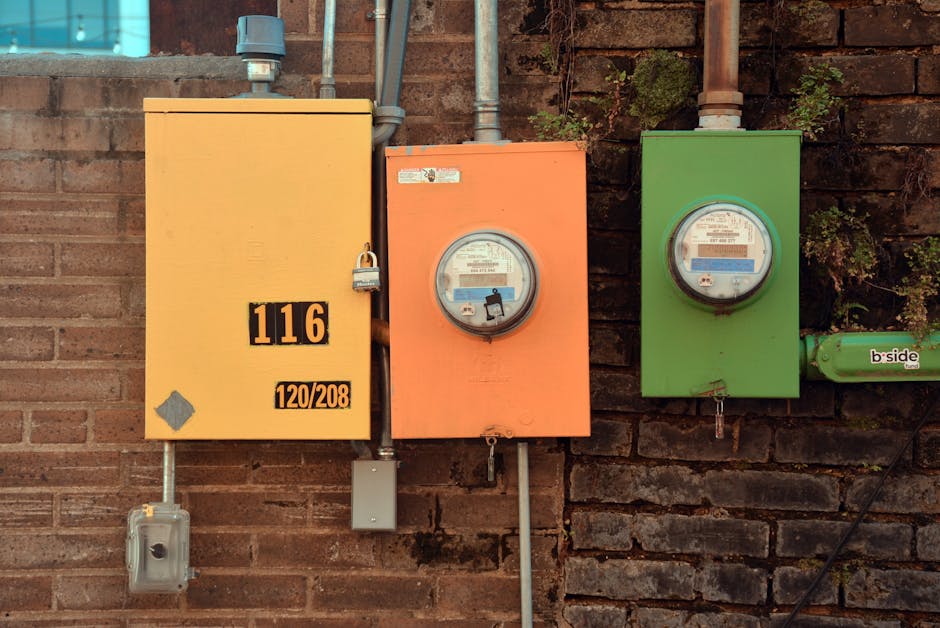
Your energy meter is one of the most important devices in your home, yet many people don't fully understand how it works. Whether you have a traditional dial meter or a modern smart meter, knowing how to read it can help you monitor your consumption and spot any unusual spikes in usage.
Types of Energy Meters
In the UK, you'll typically find one of two main types of meters. Traditional mechanical meters have five dials that rotate as you use electricity, while digital meters display your consumption as a simple number on a screen. Smart meters are the newest addition, automatically sending readings to your supplier and often including a handheld display unit.
How to Read Your Meter
For dial meters, read the numbers from left to right, noting the position of each pointer. If a pointer is between two numbers, always record the lower number. Digital and smart meters are straightforward—simply note the number displayed, ignoring any digits after a decimal point.
Why Regular Readings Matter
Taking monthly readings helps you track your energy usage patterns and spot anomalies early. If you notice a sudden increase without explanation, it could indicate an appliance fault or a leak in your system. Regular readings also ensure your bills are accurate based on actual consumption rather than estimates.
Smart Meters and Beyond
If you've been offered a smart meter, it's worth accepting. They provide real-time data about your energy use, helping you identify which appliances consume the most power. Many suppliers now offer in-home displays that show your consumption in pounds and pence, making it easier to understand the financial impact of your usage.
Common Meter Issues
If your meter seems to be running unusually fast, or if you can't access it safely, contact your energy supplier. They can arrange for an engineer to inspect it. Never attempt to tamper with your meter—it's illegal and dangerous.
Understanding your energy meter is the first step towards managing your household consumption effectively and keeping your energy bills under control.